
JOURNAL / ORIGIN AND PROCESS / 04
What Coffee Processing Does To Your Cup.
The words washed, natural, pulped natural, and unwashed describe different routes from coffee cherry to green bean. They are not a guarantee of one exact flavour, but they can offer a more useful starting point for understanding why a blend tastes the way it does.
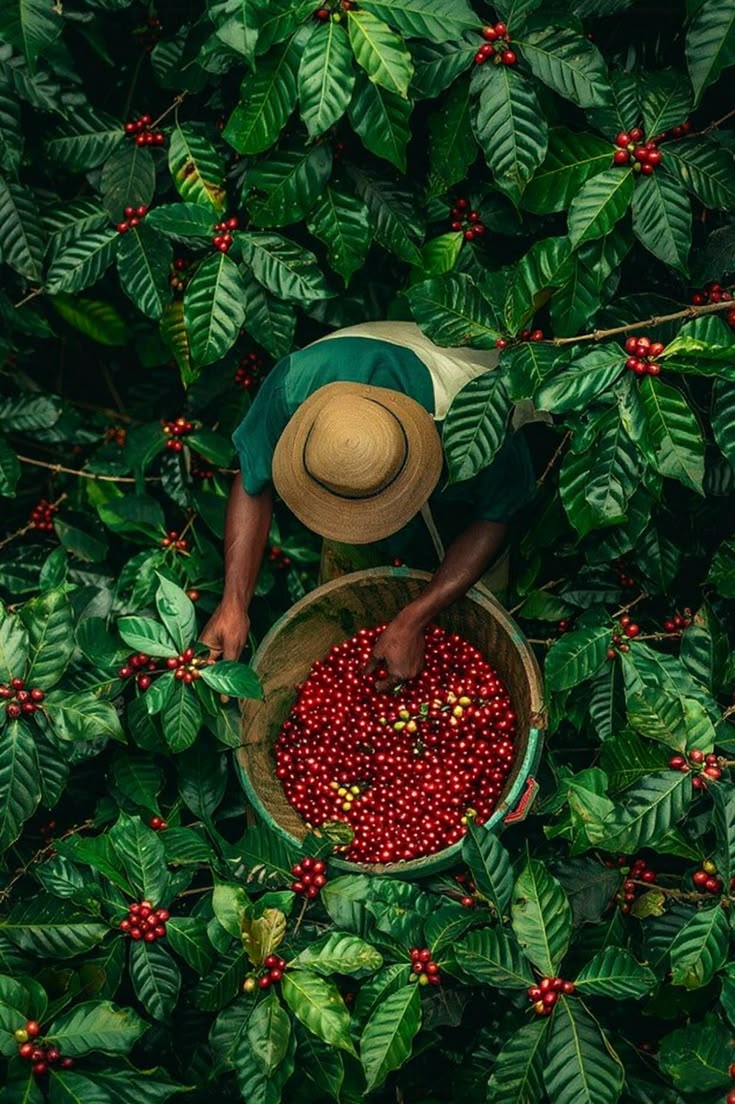

Washed Processing Often Brings A More Defined Structure.
In a washed process, much of the fruit is removed before drying. In the cup, this can be associated with a more delineated profile, where the coffee’s acidity and origin character can feel easier to trace. That makes it a useful component when a blend needs clarity.
Natural Processing Can Bring Sweetness And A Broader Fruit Character.

Natural-process coffee dries with the fruit around the seed. This can contribute a sweeter, more fruit-forward impression, depending on the coffee and roast. In a blend, it can add a generous centre of gravity without needing the flavour to dominate.
Pulped Natural Processing Can Sit Between Clarity And Sweetness.
Pulped natural coffees are dried with some fruit material remaining after the outer skin is removed. They can provide a useful bridge: a composed cup with a rounded, sweet edge. As with any processing method, the producer, variety, roast and brewing method still matter.




The Value Is In The Composition, Not A Single Word On The Bag.
VUXO lists process because it adds context to a blend’s intended cup. Ritual, for example, brings washed Colombian, pulped natural Brazilian, and natural Ethiopian coffees together: each element has a role in building the finished espresso profile.
RITUAL
Medium roast · washed, pulped natural and natural components · fruity and dark chocolate