
JOURNAL / ROAST PROFILE / 03
Medium, dark, or medium-dark? Read the roast with more care.
Roast language is useful when it helps you choose a cup, not when it becomes a hierarchy. The practical difference is where the roast places its emphasis: on brighter origin character, deeper development, or a measured balance between the two.
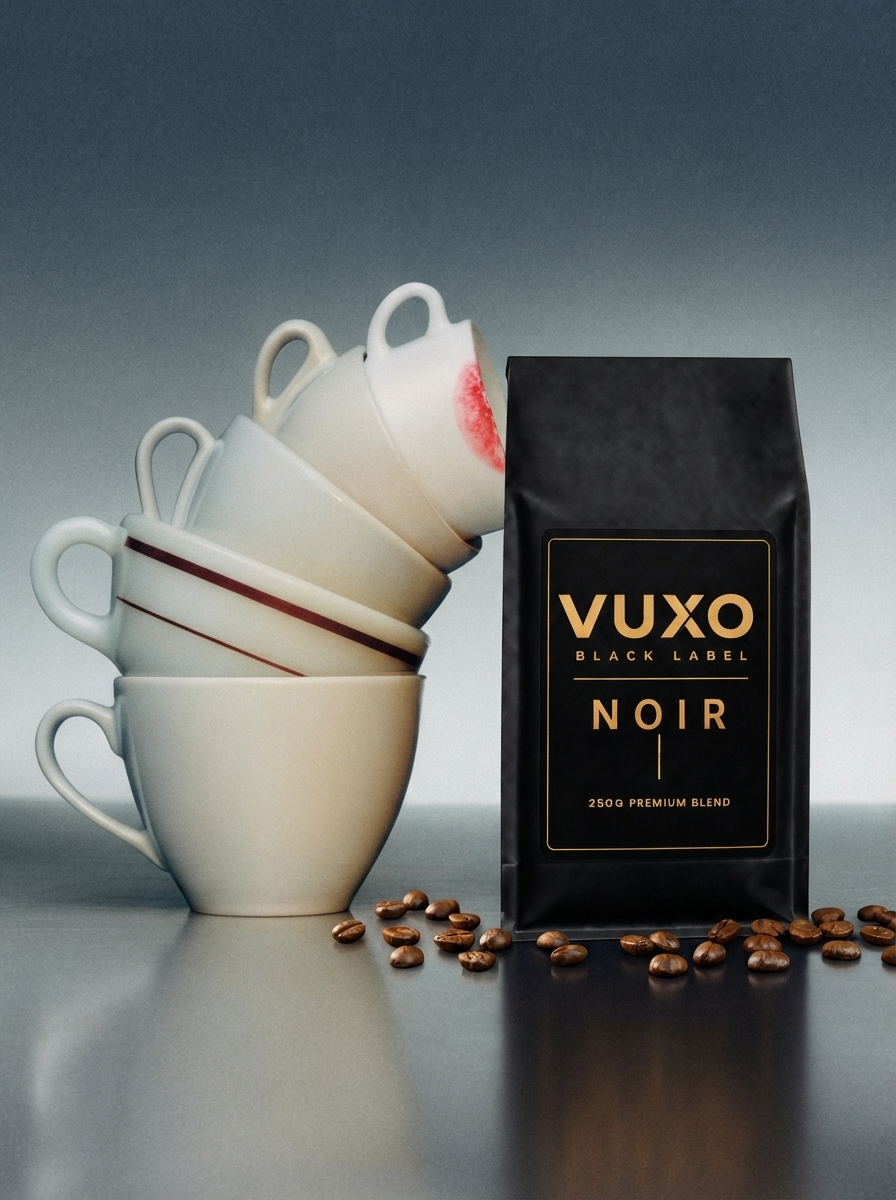
Medium Roast Keeps More Of The Coffee’s High Notes In View.
A medium roast can make space for fruit, acidity, and origin character while still developing sweetness. It is often an appealing choice for espresso drinkers who want a little lift in a straight shot or a flat white without losing structure.
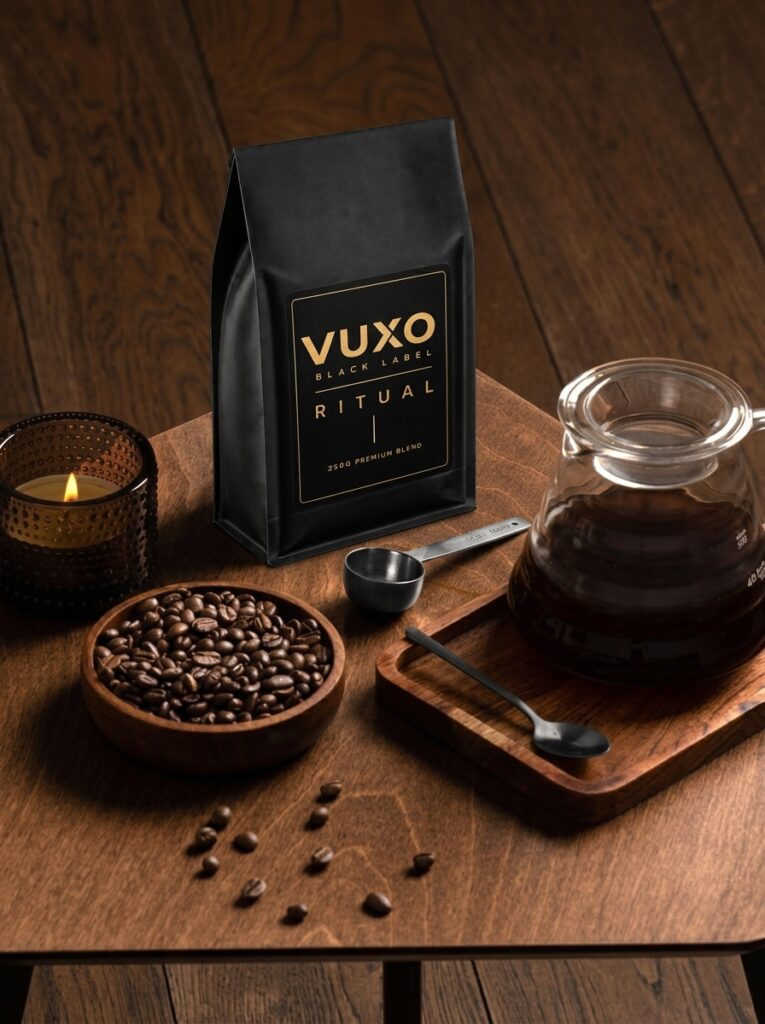
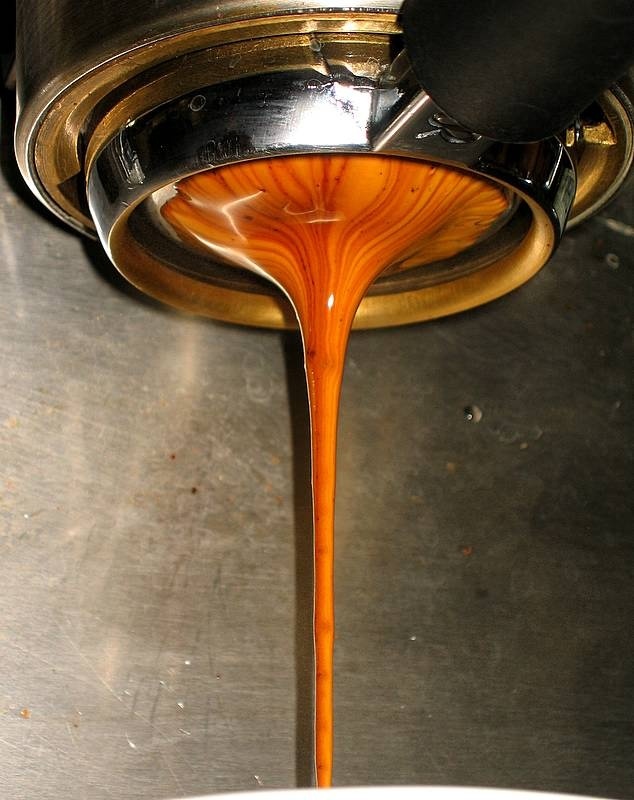
Dark Roast Makes Depth And Body The Priority.
A dark roast tends to present a fuller, more developed profile. Many people enjoy this direction in milk coffee, where richness and a low, smooth register can remain distinct beneath warmed milk. The goal is balance, not simply darkness.
Medium-Dark Is An Intersection, Not A Compromise.
A medium-dark coffee can bridge the two directions: enough development for body and a grounded finish, while retaining the shape needed for a more measured filter or plunger brew. It is a useful place to begin when your ritual moves between methods.

Let Your Everyday Method Decide The First Bag.
If espresso is your first ritual, start with a blend designed around it. If you make milk coffee most often, choose a blend with body. If your day begins with plunger or filter, choose a coffee whose medium-dark direction can hold a slower, more open extraction.
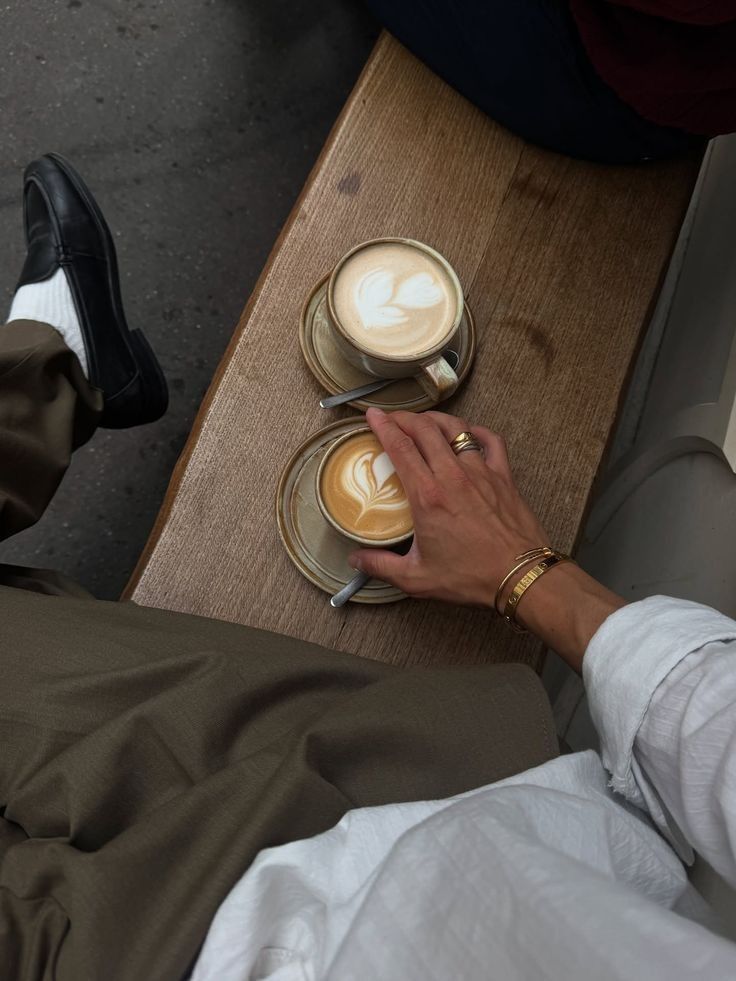
NOIR
Dark roast · latte, cappuccino, filter and plunger · full-bodied and smooth